

New content is coming here soon.
In the meantime, ProductX VOD includes excellent talks from experts and industry leaders on Product, UX/UI, AI and more
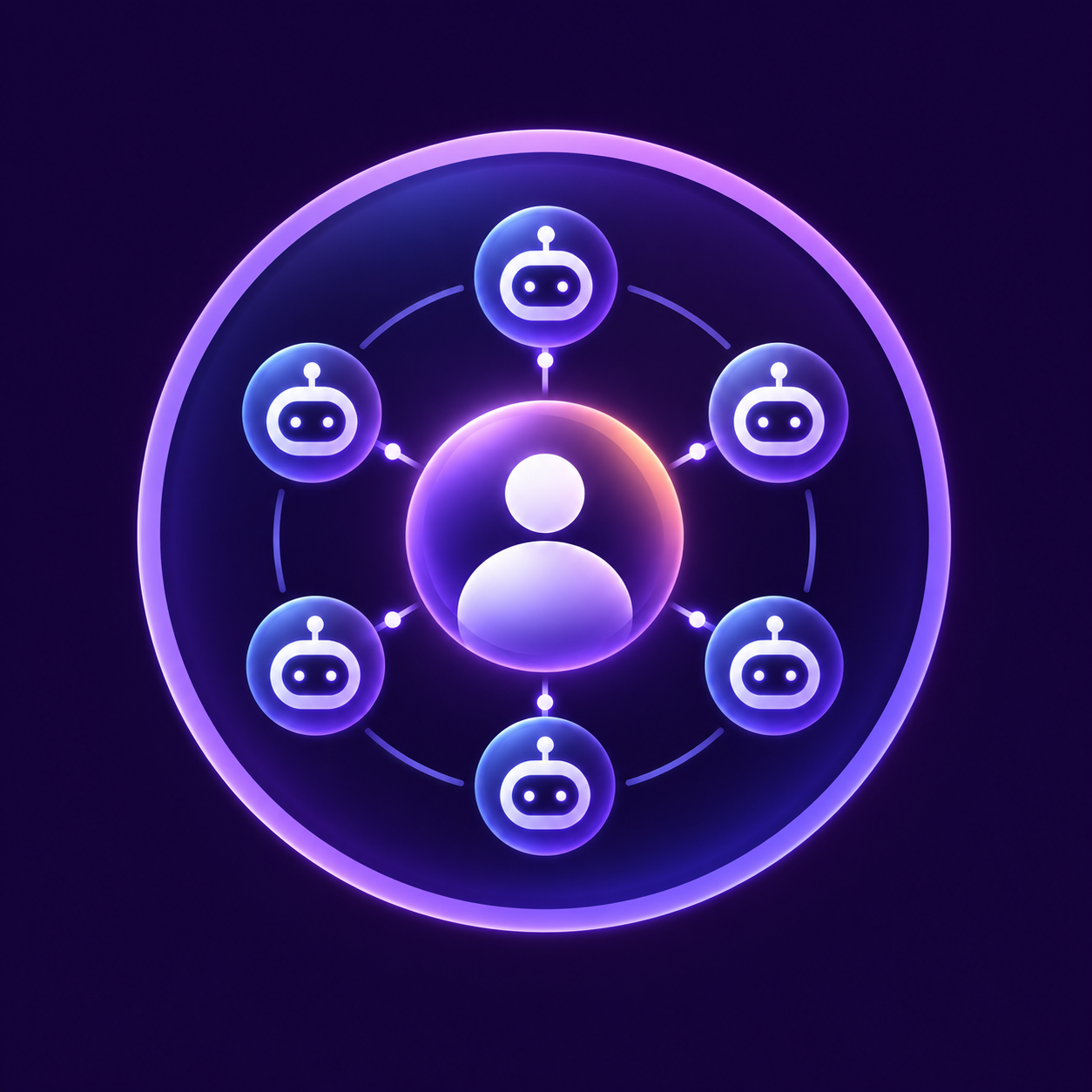
Adding an Agent to a product is not the same as adding a chat window.
For an Agent to become a meaningful part of the product, you need to define:
In complex B2B systems, these questions become especially important.
Not every action in a product should become AI-powered, and not every workflow requires an Agent.
We map the users’ work and identify where an Agent can create meaningful value.
For example:
Users need to understand what the system did, what information it relied on and how confident it is in the result.
We design explanation mechanisms that create clarity without overloading the experience.
Good automation also knows when to stop.
We define which actions can be performed autonomously and where human review, approval or intervention is required.
Trust is built through consistency, transparency and predictability.
We design experiences that strengthen the user’s sense of control and reduce uncertainty throughout the interaction.
AI introduces new questions around information, permissions and data usage.
We design experiences that clearly communicate what data is collected, why it is being used and what level of control the user has.
The way AI communicates is an integral part of the product experience.
We define the personality, language and tone so they fit the brand, the context and the situation the user is in.

New content is coming here soon.
In the meantime, ProductX VOD includes excellent talks from experts and industry leaders on Product, UX/UI, AI and more




We learn the company, product, business goals, project goals, users, key tasks and core flows.
We identify where AI, Agents or Vibe Coding can create meaningful value – and where a more traditional solution would work better.
We define the role of AI, its level of autonomy, key scenarios, system states and the relationship between the AI and the user.
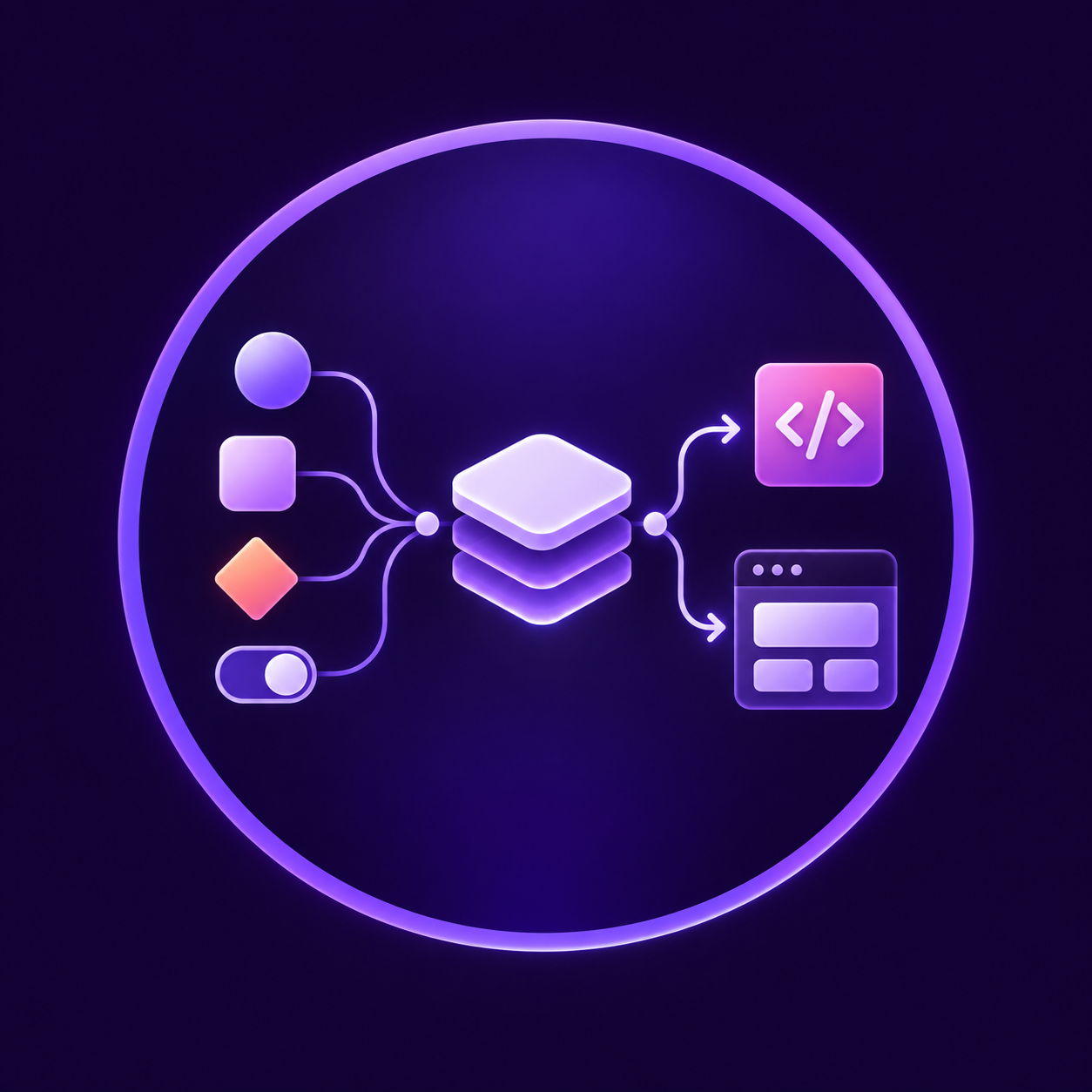
Using design and Vibe Coding, we create an interactive solution that can be experienced, tested and improved.
We evaluate the solution with users, against UX principles and with support from our professional AI agent ecosystem.
We finalize the interface, define its behavioral logic and prepare a clear, development-ready deliverable.

AI That Reduces Manual Work and Improves Decision-Making

At Joshu, an insurance product, we identified a wide range of opportunities for integrating AI – but we also recognized that not every opportunity justified the same level of investment.
We therefore started by analyzing the existing workflow, speaking with users and identifying the areas where AI could create the most meaningful value.
One of the key opportunities was the creation of a new insurance policy.
This was a highly manual process in which an underwriter had to review documents and emails received from the broker and manually enter dozens – sometimes hundreds – of fields into forms within the system.
We found that this process not only consumed significant time, but also affected decision-making. In fact, users were performing some of their comparison and prioritization work outside the system using Excel spreadsheets.

The solution we designed allows users to upload the relevant files directly into the system.
AI extracts the relevant information and automatically populates the required fields.
This significantly reduces manual work and minimizes the constant back-and-forth between source documents and forms.
Once this stage became faster and easier, it also created an opportunity to bring additional parts of the comparison and prioritization workflow back into the product.
This deepened product usage and helped the organization identify more quickly which policies were worth investing time and resources in.

At the same time, it was important to us that the AI would not become a black box that users were simply expected to trust.
We therefore integrated an Explainability and review layer directly into the workflow.
Users can view the original document alongside the populated form, compare the source with the extracted information and review the confidence level of each answer through a Confidence Score.
This allows AI to accelerate the work while keeping the user in control – with the ability to understand where the information came from, validate it and correct it when necessary.
For us, this is the right balance between automation and human judgment.