The AI Era

AI-Ready Design System

More Projects:

Built for the New Era 

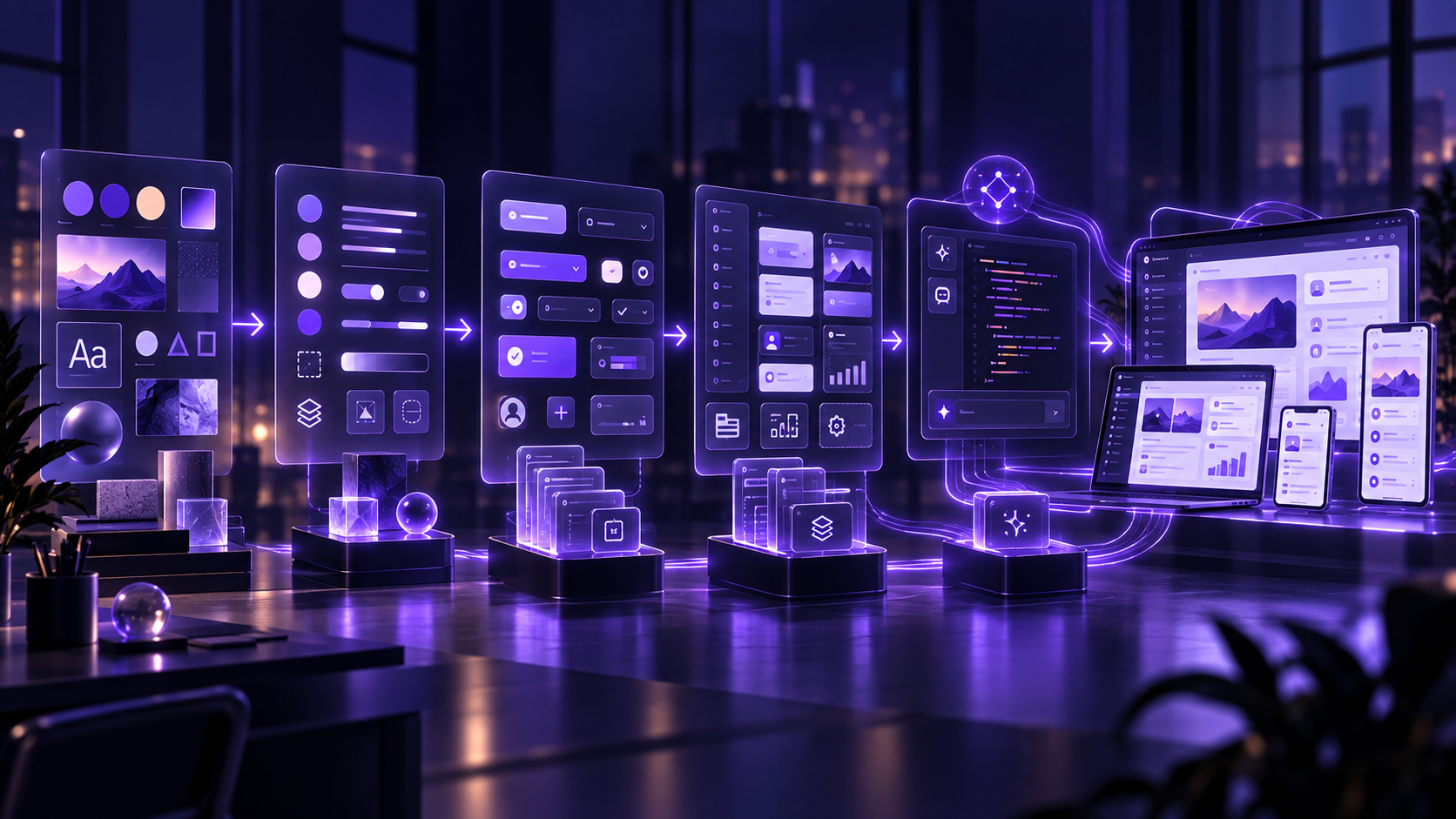
Design Systems in the AI era are no longer just design libraries. 

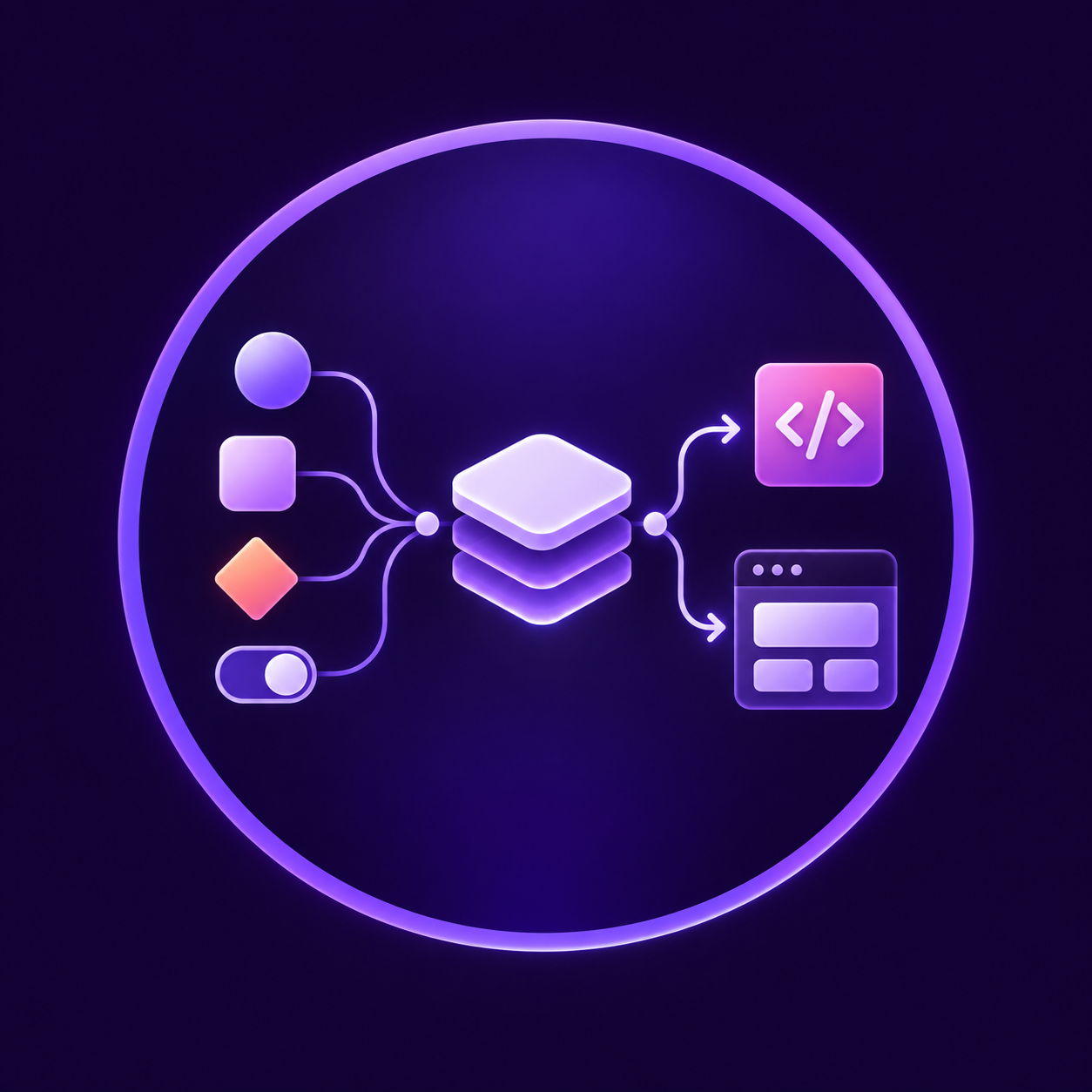
They are infrastructure connecting Design, Code and AI. 

We build end-to-end Design Systems – from Look & Feel and visual language, through Variables, Tokens and Components in Figma, all the way to development-ready components in Storybook or the development environment used by the team. 

In an era where AI is becoming part of both the design and development process, the structure of the system matters more than ever. 

The clearer, more semantic and better connected the Design System is to code, the easier it becomes for both teams and AI tools to work with it, extend it and maintain consistency over time. 

Why Build It With Us?

  • A Methodology Proven in Real Projects
    A structured process connecting Design, Tokens, Components and Code. 
  • Less Design Debt
    Infrastructure that is easier to maintain, extend and change over time. 
  • Less Friction Between Design and Development
    Less interpretation, fewer corrections and greater consistency throughout the process. 

Key Benefits

Fully Prepared for the AI Era

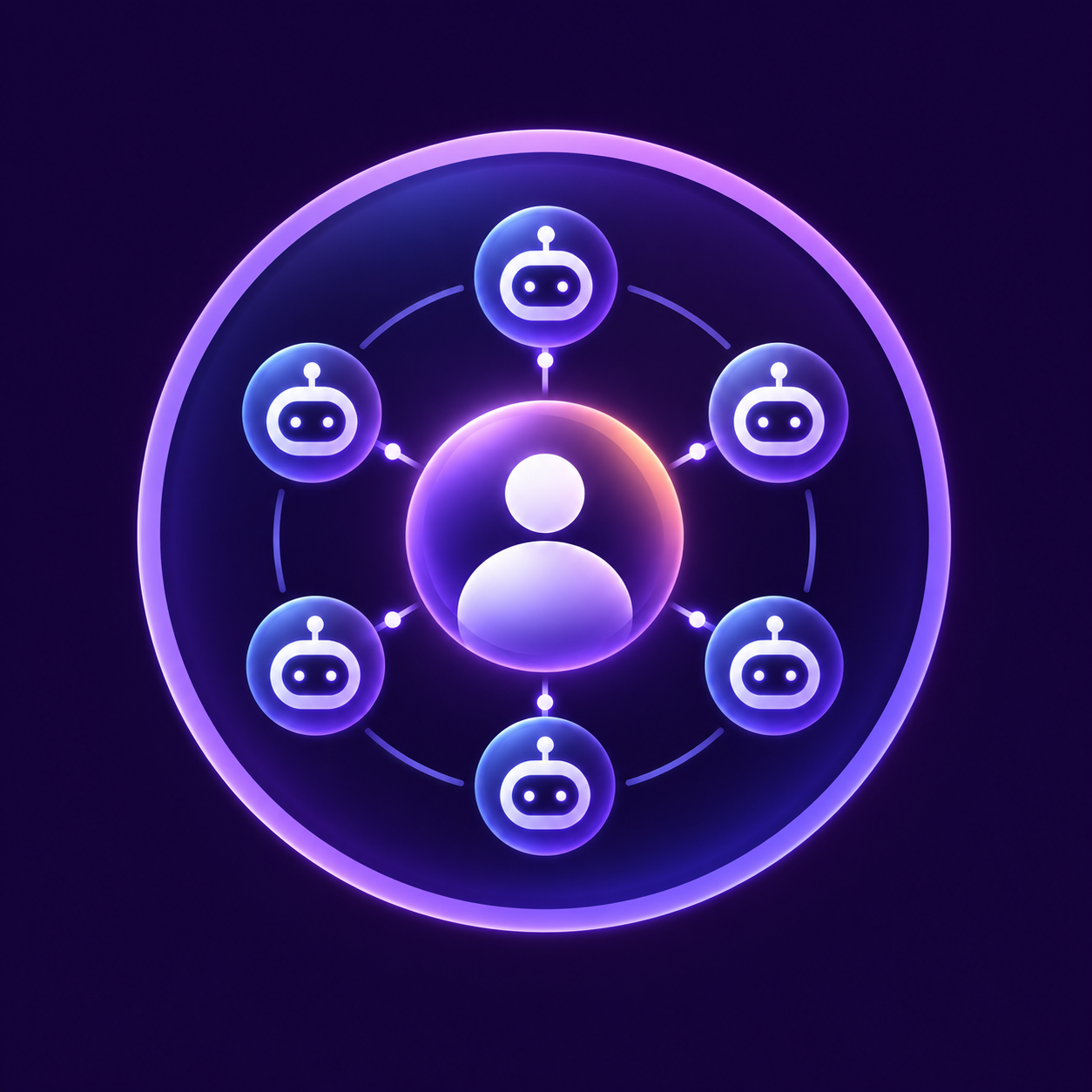
 The Design System evolves from a collection of components into a structured system that AI can understand and work with. 

Variables, Tokens and Components create a clear context layer that allows AI tools to work more accurately and consistently. 

Dramatically Faster Time to Market 

When Design, Tokens and Code are connected through the same infrastructure, the journey from Figma to development becomes significantly shorter. 

Less handoff, less manual translation and fewer revision cycles help teams move faster. 

Lower Development and QA Costs 

Full synchronization reduces translation errors between Design and Production. 

Preventing visual inconsistencies in production eliminates expensive correction cycles and helps ensure a stable, high-quality product that remains faithful to the original design. 

Business Agility and Growth

The system is prepared for global change. 

Launching Dark Mode, supporting new languages or implementing a rebrand can happen far more efficiently, without rebuilding the product from scratch.

Less Design Debt and Less Friction 


Fewer gaps between Design and Development, fewer decisions that need to be reinterpreted repeatedly, and less manual maintenance. 

The system remains consistent and easier to expand over time. 

Success Story 

Success Story 

The Challenge 

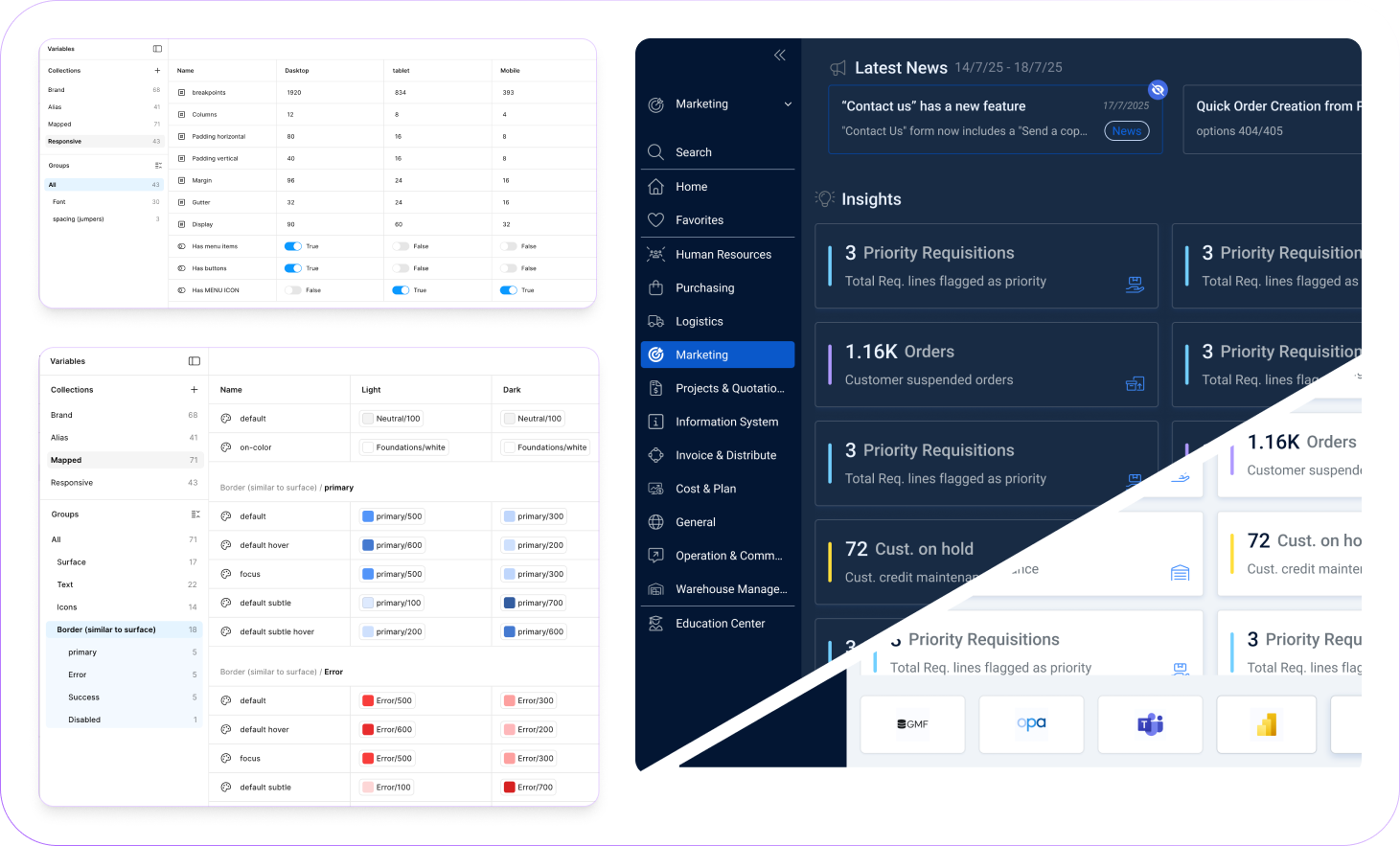
ISCAR asked us to redesign its enterprise ERP platform — a critical and highly complex system that had served the company for many years. 

The challenge was twofold: create a modern user experience for a data-intensive system, while building a design infrastructure that would allow the development team to create hundreds of screens quickly and consistently within an AI-powered development process. 

The Solution: An AI-Oriented Design System Infrastructure 

From day one, we built ISCAR’s Design System using Variables and Tokens. 

The system was adapted to work with the Kendo UI component library and connected directly to modern development workflows. 

AI-Powered Development
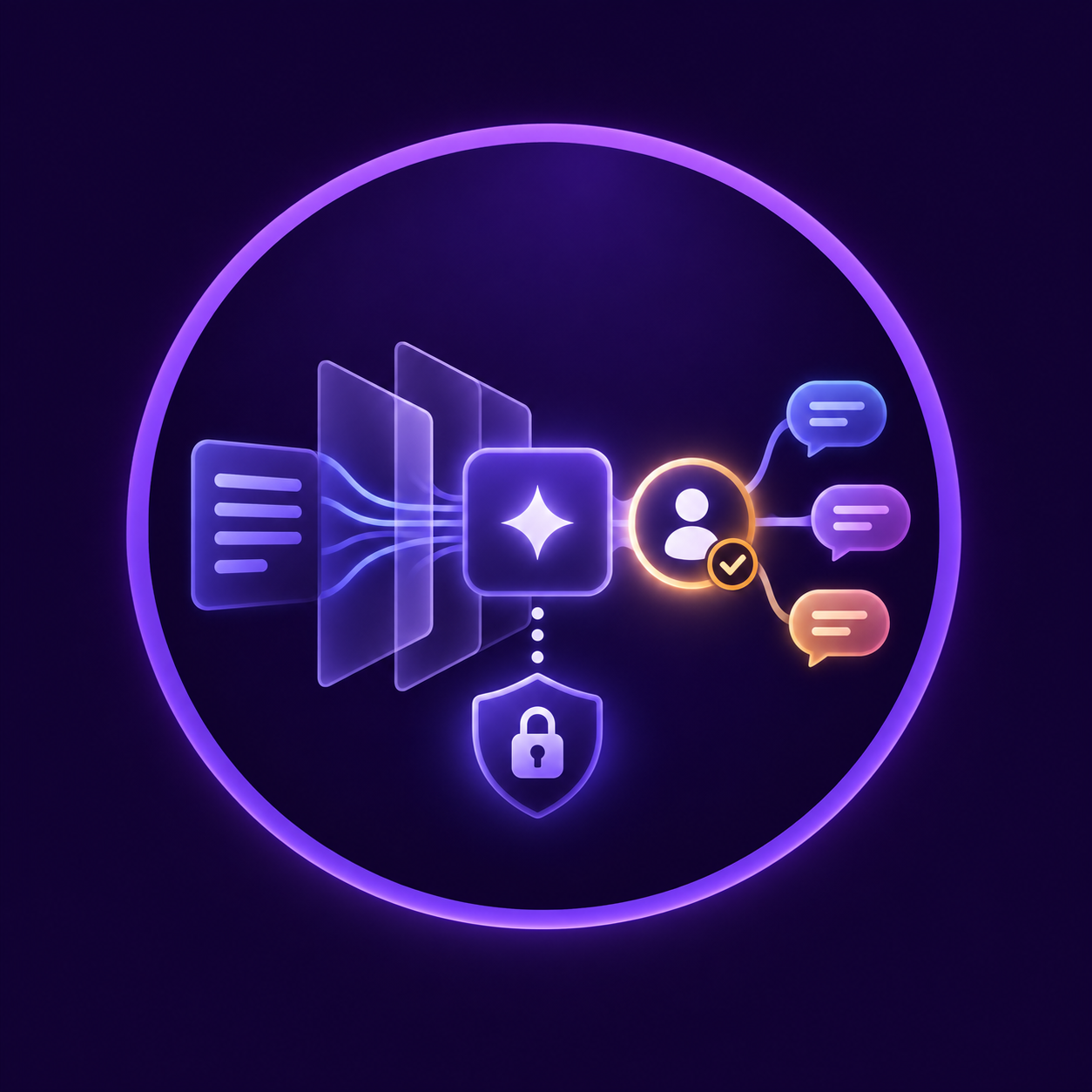
Thanks to the detailed definitions created in Figma, the front end of the system was generated with the support of Claude Code. The AI can read the Tokens and design definitions and translate them into clean, synchronized code. 

Independent Scalability
We created a smart infrastructure of templates and components that allows ISCAR to continue designing and developing dozens of additional screens independently. 

The system ensures that every new module follows the original design logic without requiring a designer to closely support every individual screen. 

The Result 

We delivered more than a Design System. 

We delivered a technological asset — smart infrastructure that enables the product team to move faster, create new screens at significantly greater speed and maintain a consistent, intelligent and up-to-date product over time. 

Our Process

Group 1707478609
Group 1707478732 (1)
Group 1707478674 (1)
Group 1707478739 (1)

 Mapping the Current State 

We review the existing Look & Feel, Components, Variables, Tokens and code. 

We identify areas where consistency is missing, where Design Debt has accumulated and which parts need to be rebuilt or adapted. 

01
02

Building the Architecture 

We define the language and logic of the system: Variables, semantic Tokens, states, themes and a Component structure that allows both people and AI tools to work in a clear and consistent way. 

Designing and Building the Design System

From Look & Feel to the Components themselves, we build and update the system in Figma so it is usable, scalable and ready for real-world Product and Development workflows. 

03
04

Connecting to Development and Creating Components in Code

We connect the visual language to code and move the Components into Storybook or the team’s development environment, ensuring the Design System does not stop at Figma. 

Testing, Implementation and Optimization

We test the system in real workflows with designers and developers, identify gaps, improve the process and make sure it works throughout the entire journey – from Design to Production. 


05
06

Knowledge Transfer 

A dedicated knowledge-transfer session with the person responsible for the Design System on the client side.